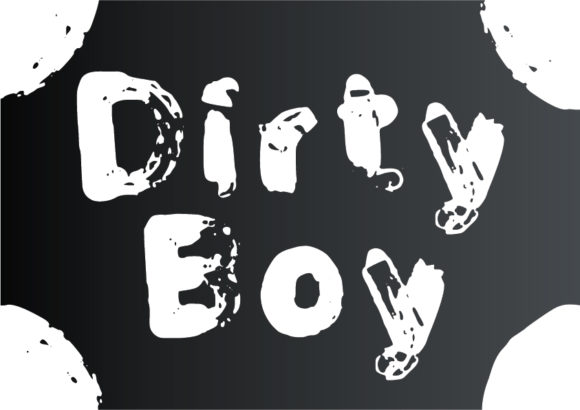
Dirty Boy Font: A Graffiti-Inspired Typeface for Crafty Creations
If you're a creative who loves bringing personality and edge to your handmade goods or digital designs, then Dirty Boy might just be the font you've been looking for. This graffiti-style typeface is bold, expressive, and full of character—perfect for those who want to add a touch of urban flair to their projects without compromising readability or professionalism.
What Makes Dirty Boy Unique?
Dirty Boy isn't just another decorative font; it's a statement. Inspired by street art and graffiti culture, this typeface brings an edgy yet approachable vibe to any design. It’s got that raw energy that makes it stand out while still being versatile enough for both short phrases and longer text when styled correctly.
The visual personality of Dirty Boy leans into imperfection in a way that feels intentional. Its uneven strokes, textured edges, and slightly chaotic structure give it a rebellious charm. For crafters and product makers, this means it can breathe life into otherwise standard designs, making them feel more unique and handcrafted.
Real-World Uses for Dirty Boy in Crafting and Selling
As a crafter or small shop owner, you know how important it is to choose fonts that work across multiple platforms and products. Here are some practical ways I’ve used Dirty Boy in my own projects:
- Candle Labels: The font adds a gritty, modern twist to natural soy candles, especially if they're marketed as eco-friendly or urban-inspired. Pair it with earthy colors or black backgrounds for maximum impact.
- Birthday Invitations: Use Dirty Boy for the main title or name of the party. It gives a fun, youthful look that stands out from traditional scripts. Just make sure to balance it with a simpler font for the body text so guests can easily read the details.
- Farmhouse Signs: Think outside the clean chalkboard aesthetic. Dirty Boy works well on weathered wood signs, adding a cool contrast between rustic textures and contemporary lettering.
- Wedding Welcome Boards: If you're designing for a non-traditional wedding, this font can add a trendy, personalized element. It’s great for names and taglines like “Welcome to Our Day” or “Love is Wild.”
- Printable Wall Art: When creating downloadable art for customers, Dirty Boy adds instant visual interest. It’s ideal for quotes, lyrics, or motivational sayings where the focus is on the message rather than legibility over long passages.
- Boutique Tags & Packaging: Whether it's clothing tags, gift wrap labels, or holiday packaging, this font helps create brand consistency with a distinctive edge. Customers will recognize your style instantly.
- Mugs, Shirts, and Tote Bags: Graphic tees, coffee mugs, and canvas totes often need a strong focal point. Dirty Boy delivers that punch—especially when layered with subtle background patterns or used in SVG format for precise cutting.
Design Tips for Using Dirty Boy Effectively
While Dirty Boy is visually striking, it's essential to use it wisely to maintain clarity and appeal. Here are some tips based on real-world experience:
- Use it for display purposes: This font shines when used for headlines, titles, or names. Avoid using it for body text unless you’re going for a very specific, stylized look (like a vintage poster or artistic quote).
- Keep it readable at scale: On smaller stickers or product tags, test how Dirty Boy looks before finalizing. Some characters may become too busy or hard to read in tight spaces.
- Check file formats: If you're working with Cricut or Silhouette machines, ensure the font includes proper outlines or SVG files. This helps prevent issues when cutting intricate shapes.
- Look for alternates and ligatures: Many premium fonts offer variations to enhance creativity. If Dirty Boy includes swashes or alternate characters, these can elevate your designs from basic to bespoke.
- Consider color and contrast: Because of its dark, textured appearance, it pairs best with light or neutral backgrounds. But don’t be afraid to experiment—contrasting colors can highlight its unique features even more.
Font Pairing Ideas for Balance and Style
One of the keys to successful typography is pairing complementary fonts. Here are a few combinations that have worked well with Dirty Boy in past projects:
- Script Fonts: A softer script font next to Dirty Boy can help tone down its intensity while keeping the handwritten feel consistent.
- Sans Serif Fonts: Clean sans serif styles like Montserrat or Raleway provide a modern counterpoint, helping to anchor the design and improve overall legibility.
- Simple Serif Fonts: If you're going for a vintage-meets-modern look, pair Dirty Boy with a classic serif like Playfair Display or Lora. The contrast is eye-catching and adds depth.
Always consider the hierarchy of your design. Let Dirty Boy take center stage but support it with a secondary font that doesn’t compete. This creates visual harmony and ensures your message remains clear and impactful.
Why Choose a Decorative Font Like Dirty Boy?
Decorative fonts can do more than just look good—they can shape how customers perceive your brand. A font with personality, like Dirty Boy, communicates confidence and individuality. It’s not just about aesthetics; it’s about crafting an emotional connection with your audience.
For physical products, the right font can influence perceived quality. Even if your materials are simple, a well-chosen typeface can make your items feel more premium and thoughtfully designed. For digital downloads, it helps your mockups stand out on Etsy, Shopify, or other marketplaces.
Brand consistency is also key. Once you fall in love with a font, using it across all your designs—labels, social media posts, packaging, and signage—helps build recognition. And let’s face it, customers remember brands with strong visual identities.
Commercial Use and Licensing Considerations
When selling products that include fonts, licensing matters. Always confirm whether Dirty Boy allows commercial use for your intended application—whether it's printed stickers, digital printables, or SVG-based merchandise. Most font creators clearly outline what you can and cannot do with their typefaces, including restrictions on embedding fonts in templates or reselling them directly.
Some fonts require a separate license for each use case. For example, a font used on product packaging may need a different license than one used for web design or social media graphics. Make sure to read the fine print or reach out to the font designer if anything is unclear. Investing in the correct licensing upfront saves headaches later and keeps your business ethical and compliant.
Final Thoughts on Incorporating Dirty Boy Into Your Workflow
Incorporating a font like Dirty Boy into your design toolkit opens up new possibilities. It’s not just for graffiti lovers—it’s for anyone who wants to inject a little attitude into their creations. From boutique tags to printable wall art, this typeface brings a fresh perspective that resonates with today’s creative audiences.
Remember, the best fonts are the ones that speak to your brand’s voice. If you’re aiming for something that breaks the mold while staying grounded in usability, Dirty Boy is worth a closer look. Test it on a few mockups, see how it cuts on your machine, and watch how it transforms your designs from ordinary to unforgettable.
Ready to Elevate Your Projects?
Whether you're designing for yourself or clients, choosing the right typeface is part of building a cohesive brand identity. Dirty Boy is more than a decorative font—it's a tool that can help your products pop, your invitations stand out, and your signage leave a lasting impression. So go ahead, grab your stylus or cut mat, and start experimenting. Your next big design idea is waiting to be written in graffiti-style letters.